Sorimuthu Ayyanar Temple on Aadi New Moon
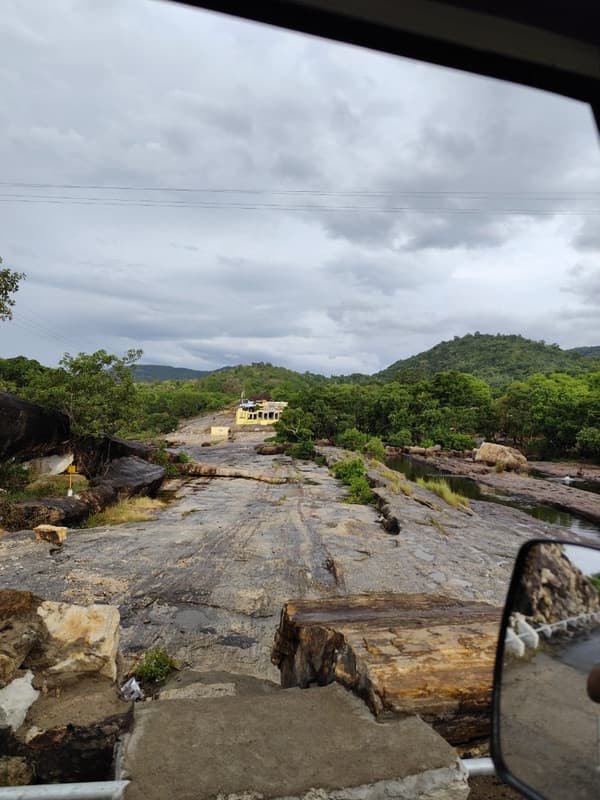
The Sorimuthu Ayyanar Temple is located deep within the Kalakkad-Mundanthurai Tiger Reserve on the banks of the Tamiraparani River. While it is open throughout the year, pilgrims throng in huge numbers(estimated around 40000 - 200000) to the temple around the auspicious nights of Aadi Amavasai(Full Moon).

It is also the only two nights in the year that the general public is allowed to stay near the temple inside the tiger reserve. Most pitch makeshift tents with tarps by clearing out some space along the roads. For the people of the Kani tribe, who live inside the tiger reserve, this is a huge business opportunity, they keep stalls selling fish, jackfruit(Chakkapazham) and food. On the days of high demand, they buy these products from outside to sell, as they don’t produce enough to meet the sudden influx of pilgrims on these nights.


A Story of Sorimuthu Ayyanar
Disclaimer: As with all oral histories, multiple accounts of the story exist, and this is just one that I heard. This version is perhaps far-fetched and exaggerated from the truth, but that is one of the beauties of oral histories, is that they keep living. More likely what happened was he was just a person who died protecting his community’s cattle and a temple was built in his honour.
Sorimuthu Ayyanar was a person from an upper caste. He feels thirsty while walking through a village and asks for water from a house. He falls in love with the sisters who give him the water, Thimmakka and Bommakka, and proposes marriage to them. They ask him to speak with their father.
He goes to the father, who is initially very angry, but is charmed by the way our hero speaks. He agrees to give his daughters’ hands in marriage under a condition: Sorimuthu Ayyanar must live like them, work with them as cobblers, eat the food that they eat (which includes meat) for 6 months. He agrees to these conditions, and upon completing the 6 months, marries both sisters. The people of his caste are not happy with his actions, and steal their livestock(Aanirai Kavarthal). One day, Sorimuthu Ayyanar catches them and kills all of them, except one who pretends to lie dead. He goes to drink water from the river and is stabbed in the back and killed by this person. His wives hear of this, and then avenge him by killing his killer. They ask the Singampatti Zamindar for permission to jump into the funeral pyre of their husband (called Sati in Hindi or Udankattai Eruvadhu in Tamil). The Zamindar suggests them to join his Anthapuram, and they feel insulted by this suggestion and get angry at the Zamindar and curse him. The Zamindar then grants their wish to perform Sati and they both die by this tradition.
Till date, on the nights of Aadi Amavasai, some who have a prayer, perform the act of walking through the fire after receiving the permission from the Singampatti Zamindar. (Called Pookuli Erangudhal in tamil, which literally translates to “Stepping into the Pit of Flowers”)
The Last Zamindar passed away in 2020, and his younger son and eldest grandson sit on either side of an empty throne with his picture placed on it.
Ecological Impact
What was I doing there?
I was part of a team assessing the Environmental Impact of the Festival by doing roadkill survey and vehicle count. This has been happening for multiple years.
Every morning for 5 days, woke up and set off at exactly 6am to check the animals that have died at the specific segments allotted to me.

(If the data ever is allowed to be public, I will share my analysis here, as I don’t know if I am allowed to do that now)
Acknowledgements: Sorimuthu Ayyanar Temple details was told to me by M. Mathivanan, Dr. R. Ganesan and Ganesh M.
Roadkill Survey was done with ATREE ACCC Team